Are you tired of lag ruining your precious gaming sessions? Experiencing frustrating delays when every millisecond counts in your favorite online battles? As a modern gamer balancing work family and life your limited gaming time is valuable and it should be spent dominating not dealing with connection issues. This comprehensive guide on cmo mejorar la velocidad de internet para gaming is your ultimate resource. We dive deep into practical actionable strategies to optimize your internet speed ensuring smoother gameplay lower ping and a more enjoyable experience across all your platforms whether youre on PC console or mobile. From simple router tweaks to understanding advanced network settings we cover everything you need to know to transform your gaming connection. Discover how to identify bottlenecks choose the right hardware and configure your network for peak performance. Say goodbye to frustrating disconnects and hello to seamless high-speed gaming so you can relax have fun build skills and connect with friends without interruption. Let's make every gaming moment count.
What is ping and why is it important for gaming?
Ping measures the time it takes for data to travel from your computer to a game server and back. A lower ping (measured in milliseconds) means less delay between your actions and the server's response, which is crucial for competitive online gaming. High ping results in noticeable lag, making games frustrating and unplayable. For optimal gaming, aim for a ping below 50ms, ideally under 20ms, especially in fast-paced genres like FPS or fighting games.
How does a wired Ethernet connection improve gaming speed?
An Ethernet cable provides a direct, stable connection between your gaming device and your router, eliminating interference and signal loss common with Wi-Fi. This results in lower and more consistent ping, higher bandwidth utilization, and reduced packet loss. Most modern consoles and PCs have an Ethernet port, and connecting directly is one of the most effective ways to ensure reliable gaming performance, giving you a competitive edge.
Should I prioritize 5GHz or 2.4GHz Wi-Fi for gaming?
For gaming, the 5GHz Wi-Fi band is generally preferred over 2.4GHz. While 2.4GHz offers greater range and penetrates walls better, it's often congested and slower. The 5GHz band provides faster speeds and less interference, leading to lower latency and a more stable connection, especially when you're close to your router. Ensure your gaming device supports 5GHz and keep it within optimal range for the best wireless gaming experience.
What is QoS (Quality of Service) and how can it help my gaming?
Quality of Service (QoS) is a router feature that allows you to prioritize certain types of network traffic, like gaming, over others. By enabling and configuring QoS, you can ensure that your game's data packets are sent first, even when others on your network are streaming videos or downloading large files. This actively reduces lag and keeps your ping stable, making your limited gaming time more enjoyable and competitive.
Can background applications impact my gaming performance?
Absolutely. Background applications, updates, and cloud sync services can consume significant bandwidth and CPU resources, directly impacting your game's performance and internet speed. Before starting a gaming session, close unnecessary programs like web browsers with many tabs, streaming services, file downloaders, and ensure system updates are paused. Minimizing these distractions frees up resources for your game, leading to smoother gameplay and lower latency.
When is it time to upgrade my internet plan for gaming?
If you've optimized everything else—router settings, wired connection, background apps—and still experience persistent lag or slow downloads, it might be time for an internet plan upgrade. Especially if your household has multiple users streaming, working, and gaming simultaneously, higher bandwidth becomes essential. Check your ISP's available plans and consider a speed tier that adequately supports your entire household's demands, typically 100-300 Mbps download for a serious gamer's household.
Are there any 'quick fixes' for sudden gaming lag spikes?
For sudden lag spikes, first try a simple router and modem restart; often, this clears up temporary network congestion. Disconnect unused devices from your Wi-Fi, as they might be hogging bandwidth. Temporarily pause any downloads or streaming services on other devices. If playing wirelessly, move closer to your router or try a wired connection. Sometimes, merely restarting your game or console/PC can resolve transient issues as well.
Are you one of the millions of US gamers who regularly dive into virtual worlds, averaging over 10 hours a week, but often find your escape cut short by frustrating lag spikes or slow connections? You’re not alone. Many adult gamers, around 36 years old, skillfully balance careers, families, and life's demands, cherishing their gaming time as a vital source of relaxation, social connection, and skill-building. There’s nothing worse than finally carving out an hour to play, only to have your precision shots miss or your crucial raid moment ruined because your internet can't keep up. The question on every dedicated gamer's mind is clear: "cmo mejorar la velocidad de internet para gaming" – how can I truly optimize my internet for the best possible experience? This isn't just about raw speed; it's about stability, low latency, and ensuring every valuable moment you spend online is smooth, responsive, and utterly enjoyable. This comprehensive guide will walk you through actionable strategies, from simple tweaks to significant upgrades, helping you conquer frustrating network issues and elevate your gameplay to the next level. Let's make sure your internet is as ready for action as you are!
US gamers spend a significant portion of their leisure time in digital realms, with recent data showing 87% regularly engaging, often for 10+ hours a week. For many, gaming is a vital stress reliever and a way to connect with friends, especially with the rise of social and cooperative games. Mobile gaming continues its dominance, often cross-playing with PC and console users, highlighting the need for a seamless internet experience across all devices. This article focuses on practical solutions to common pain points, ensuring your valuable gaming time is spent enjoying, not troubleshooting.
Why is My Internet Slow Specifically for Gaming? It Feels Fine for Streaming!
This is a classic gamer's dilemma! Your internet might seem fine for streaming a 4K movie, but then completely falter during an intense online match. The key difference lies in what gaming demands: not just high bandwidth (download speed) but critically low latency (ping) and minimal packet loss. Streaming buffers data, meaning small delays aren't noticeable. Gaming, especially competitive titles, requires real-time, instantaneous communication with servers. High ping, which is the time it takes for data to travel to the server and back, creates a noticeable delay between your actions and what happens in the game, leading to lag.
Common culprits for slow gaming internet include:
- High Latency/Ping: The time it takes for data to travel from your device to the game server and back. Anything above 50ms can be noticeable.
- Packet Loss: Data packets failing to reach their destination, causing stuttering, rubberbanding, and disconnects.
- Network Congestion: Too many devices or activities (streaming, downloads) on your home network simultaneously.
- Wi-Fi Interference: Signals obstructed by walls, other electronics, or overlapping Wi-Fi networks from neighbors.
- Outdated Hardware: Old routers or modems struggling to handle modern internet speeds and traffic.
- ISP Throttling or Congestion: Your Internet Service Provider potentially slowing down traffic during peak hours or for specific activities.
Understanding these distinctions is the first step in addressing "cmo mejorar la velocidad de internet para gaming".
What's the First Step to Diagnose Slow Gaming Internet?
Before you start tweaking settings, you need to understand the baseline. Think of it like a medical check-up for your network. This initial diagnosis will help you pinpoint whether the issue is with your ISP, your home network, or even your gaming device.
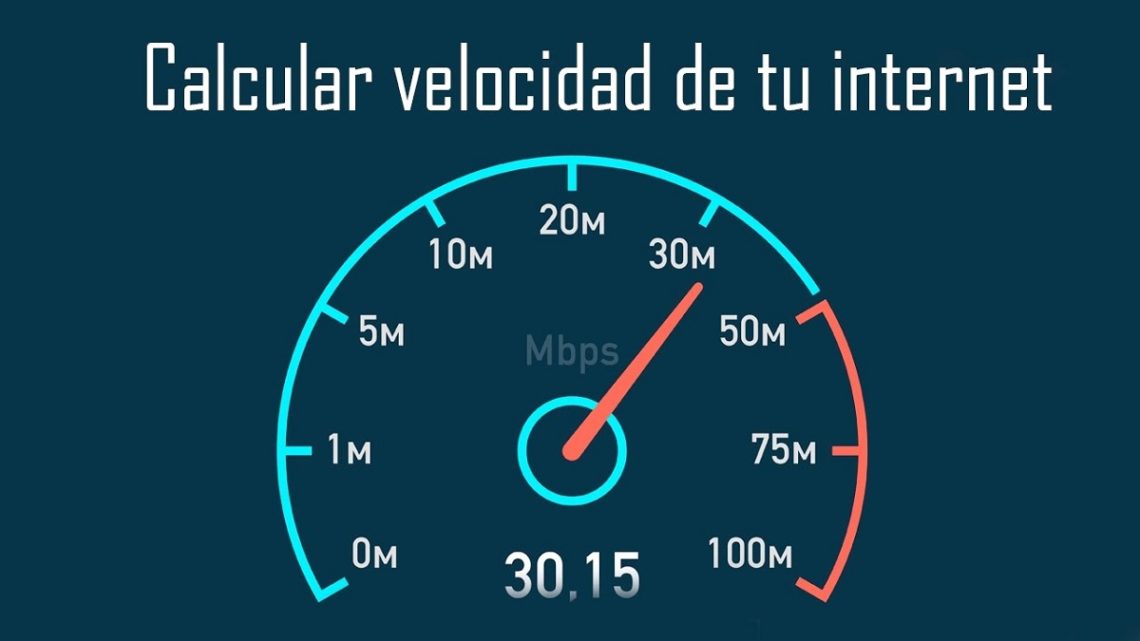
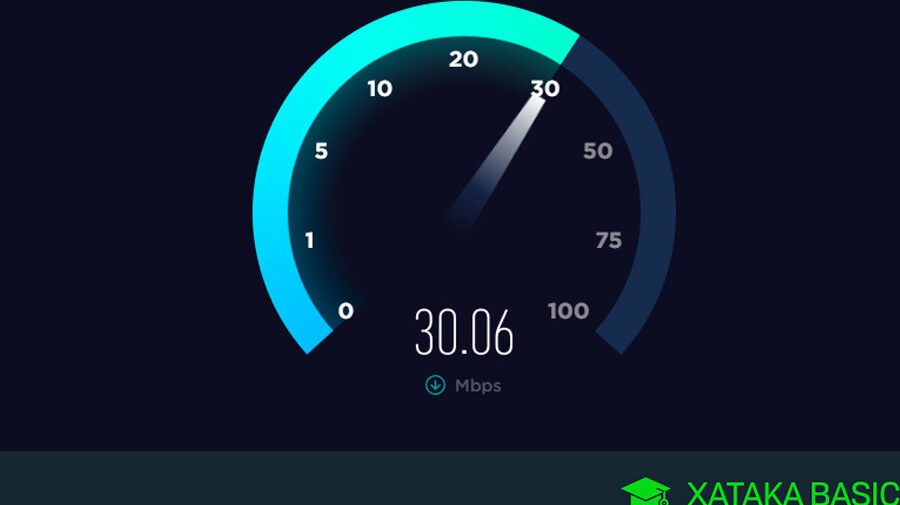
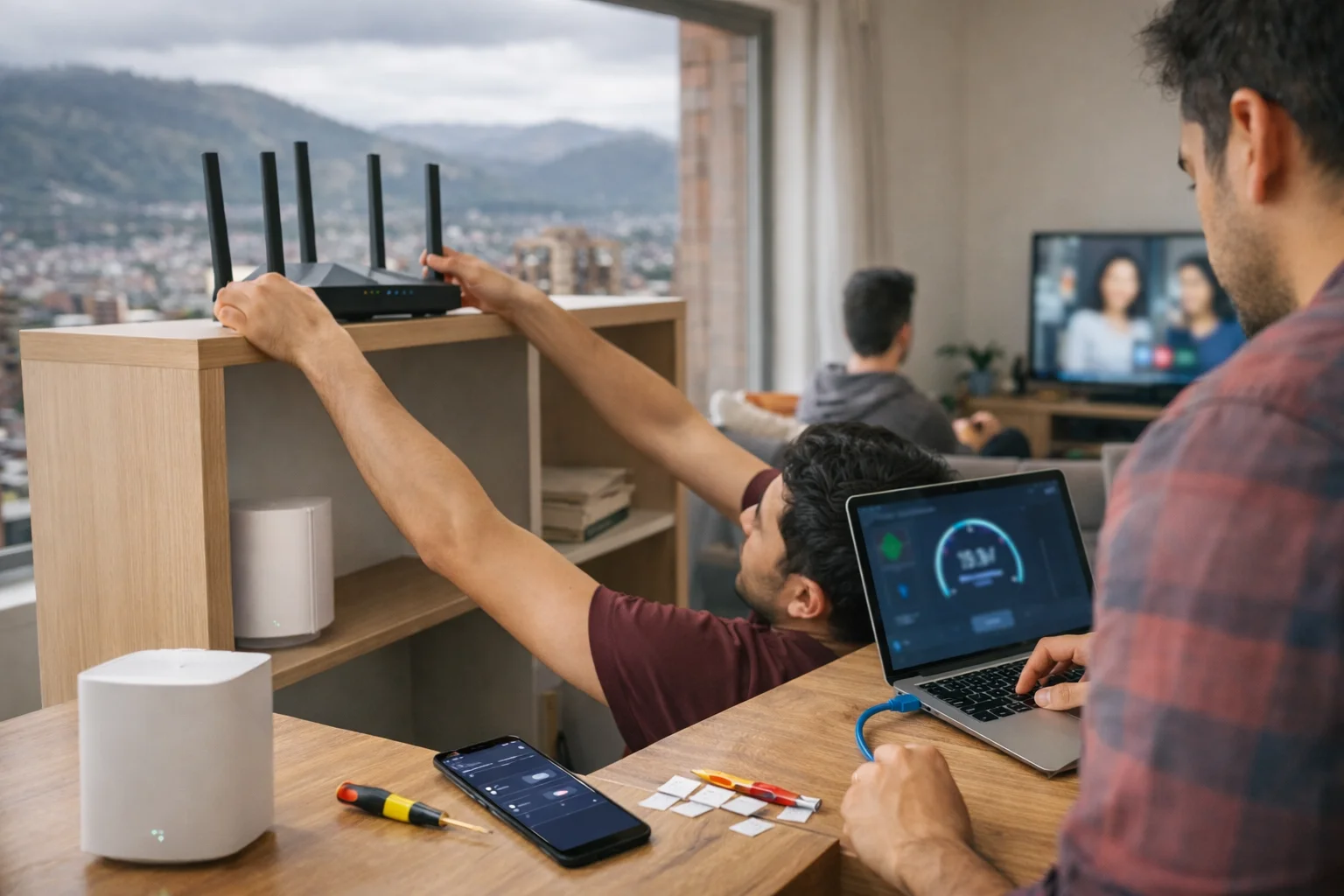
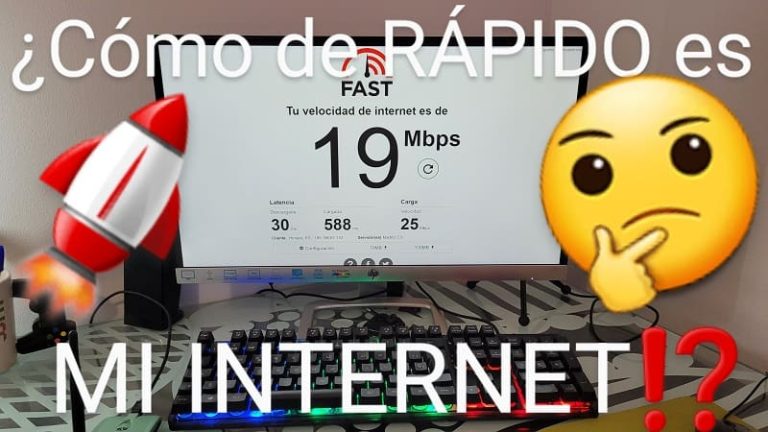
- Run Speed Tests: Use reputable sites like Speedtest.net or Fast.com. Run tests on multiple devices (PC, phone, console if possible) and at different times of the day. Pay attention to download speed, upload speed, and most importantly, ping (latency).
- Test Ping to Game Servers: Many online games show your in-game ping. If not, you can often find the server IP address for your game and use your computer's command prompt (
ping [server IP]) to get a more direct measurement. - Check for Network Activity: Look at your router's admin page (usually accessed by typing 192.168.1.1 or 192.168.0.1 into a browser) to see connected devices and their bandwidth usage. Task Manager on PC (under Performance > Ethernet/Wi-Fi) also shows real-time network usage. Identify any bandwidth hogs.
- Restart Your Network Hardware: A simple modem and router restart can often clear temporary glitches and improve performance significantly. Unplug both for 30 seconds, then plug the modem back in, wait for it to fully connect (all lights solid), then plug in the router.
These steps will give you a clear picture of your current internet health and where potential problems might lie.
How Can I Optimize My Wi-Fi for Better Gaming Performance?
While a wired connection is king, not everyone can or wants to run Ethernet cables everywhere. If you're a mobile gamer or prefer wireless on your console/PC, optimizing your Wi-Fi is essential. Many Gen Z and Millennial gamers enjoy the flexibility of mobile and cross-play, making Wi-Fi optimization crucial.
- Router Placement is Key: Place your router centrally in your home, high up, and away from obstructions (walls, large furniture) and other electronics (microwaves, cordless phones) that can cause interference.
- Utilize the 5GHz Band: Most modern routers offer both 2.4GHz and 5GHz bands. The 5GHz band provides faster speeds and less interference, leading to lower latency, but has a shorter range. Connect your gaming device to the 5GHz band if possible and keep it close to the router. The 2.4GHz band is better for devices further away that don't need high speed.
- Update Router Firmware: Router manufacturers regularly release firmware updates to improve performance, security, and stability. Check your router's administration panel for update options.
- Change Wi-Fi Channels: Wi-Fi operates on different channels. If your neighbors are on the same channel, it causes congestion. Use a Wi-Fi analyzer app on your phone to find less congested channels and switch to one in your router settings.
- Consider a Gaming Router or Mesh System: Gaming routers often have advanced features like better QoS (Quality of Service) and stronger antennas. For larger homes, a mesh Wi-Fi system can provide more consistent coverage, though direct Ethernet to a mesh node is still best for core gaming setups.
These Wi-Fi tweaks can make a tangible difference in your wireless gaming experience, essential for those social gaming sessions on the go or relaxing with a cozy game.
Is a Wired Connection Truly Better for Gaming, and How Do I Set It Up?
Absolutely, without a doubt, a wired Ethernet connection is the gold standard for gaming. It's the most impactful step you can take for "cmo mejorar la velocidad de internet para gaming".
Benefits of a Wired Connection:
- Lower Ping: Direct connection eliminates wireless interference, leading to significantly lower and more stable latency.
- No Packet Loss: Wired connections are far less prone to packet loss, ensuring all your game data arrives intact and on time.
- Higher Bandwidth: Ethernet cables can handle much higher data rates than Wi-Fi, especially over short distances, meaning faster downloads and uploads.
- Reliability: It's simply a more stable and consistent connection, crucial for competitive play where every millisecond counts.
How to Set Up a Wired Connection:
- Get the Right Cable: Use a Category 5e (Cat5e) or Category 6 (Cat6) Ethernet cable. Cat6 offers better shielding and higher bandwidth for future-proofing, but Cat5e is perfectly adequate for most gaming needs.
- Connect Device to Router: Plug one end of the Ethernet cable into your gaming PC, console, or streaming device and the other end into an available LAN port on your router.
- Verify Connection: Your device should automatically detect the wired connection. On PC, check your network settings. On consoles, it's usually indicated in the network status. Disable Wi-Fi on the device to ensure it uses the wired connection.
Even if you're a casual gamer balancing work and family, this simple change can drastically improve your online experience, making your limited gaming time more enjoyable and less frustrating.
What Router Settings Are Crucial for Reducing Gaming Lag?
Your router is the brain of your home network. Diving into its settings can unlock significant performance gains for gaming. Here are the crucial ones:
- Quality of Service (QoS): This is perhaps the most important setting. QoS allows you to prioritize network traffic, ensuring that your gaming data gets preferential treatment over streaming, downloads, or general browsing from other devices. Look for options like "Gaming Priority" or manual bandwidth allocation. Configure your gaming PC/console with the highest priority.
- Port Forwarding / UPnP: Some games require specific network ports to be open for optimal connectivity, especially when hosting games or using voice chat. Universal Plug and Play (UPnP) tries to automate this, but can be a security risk. Manually setting up Port Forwarding for your specific game and device is generally more secure and reliable.
- Change DNS Servers: Your Domain Name System (DNS) server translates website names into IP addresses. Using faster DNS servers (like Google DNS: 8.8.8.8, 8.8.4.4 or Cloudflare DNS: 1.1.1.1, 1.0.0.1) can speed up initial connections to game servers.
- Disable Unnecessary Features: Features like Guest Wi-Fi networks, remote access, or USB sharing, if unused, can consume router resources. Disabling them might free up processing power for your gaming traffic.
- Firewall Settings: Ensure your router's firewall isn't overly aggressive and blocking legitimate game traffic. Usually, default settings are fine, but if you're experiencing connection issues, this is worth checking.
Remember to save changes and restart your router after making any modifications. These tweaks can turn a frustrating session into a smooth victory, especially when you're short on time.
Are There Software Tweaks I Can Make to Improve Gaming Speed?
Beyond your network hardware, your gaming device itself can contribute to lag if not optimized. Many gamers, particularly on PC, can benefit from these software adjustments.
- Close Background Applications: Streaming services, cloud sync tools (OneDrive, Dropbox), torrent clients, and even multiple browser tabs can consume significant bandwidth and CPU resources. Close everything you don't absolutely need while gaming.
- Pause Updates: Operating system updates (Windows Update, console system updates) and game downloads/updates can hog bandwidth. Schedule these for non-gaming hours.
- Update Network Drivers: Ensure your PC's Ethernet or Wi-Fi adapter drivers are up to date. Outdated drivers can lead to performance issues and instability. Visit your network adapter manufacturer's website (e.g., Intel, Realtek) for the latest versions.
- Game Mode in OS: Both Windows and some consoles offer a "Game Mode" that prioritizes game processes and minimizes background tasks. Ensure this is enabled.
- Disable VPN (Unless Necessary): While VPNs offer privacy and can bypass geo-restrictions, they often add latency due to the extra hop through the VPN server. Only use one if absolutely required for your game or privacy.
These small software adjustments are quick, budget-friendly ways to ensure your system is fully dedicated to delivering the best gaming experience, aligning with the
Optimize your internet speed for gaming. Reduce lag and ping effectively. Configure router settings for better performance. Choose the right hardware for gaming internet. Prioritize gaming traffic on your network. Understand wired versus wireless connections. Troubleshoot common connectivity issues. Maximize your gaming experience.
35



Mejorar La Velocidad De Internet Para Gaming Cmo Mejorar La Velocidad De Internet Para Gaming . Router Gaming 2026 Clave Para Tu Internet FonoChile Router Gaming 2026 La Clave Para Tu Internet Hogar.webp. 10 Trucos F Ciles Para Mejorar La Velocidad De Tu Internet En Casa La Velocidad Internet Trucos Para Aumentarla 2551055321 . Como Mejorar La Velocidad De Internet Actualizado Abril 2026 A4MOhE5WE5A . COMO AUMENTAR LA VELOCIDAD DE TU INTERNET CON EL MEJOR PROGRAMA QUE


C Mo Mejorar La Velocidad De Internet Para Gaming Sin Lag Como Mejorar La Velocidad De Internet Para Gaming.webp. PESO De Overwatch 2 En PC Descubre CU NTO OCUPA Optimiza La Velocidad De Internet En Unefon Y Navega Rapido . C Mo Mejorar La Velocidad De Internet Con Im Genes V4 728px Maximize The Speed Of Your Internet Connection Step 2 Version 3 . Mejora La Velocidad De Internet Con Este Programa Mundowin WSjPVuppa Y . Planes De Internet Fibra Ptica Para Gamers Rendimiento Y Velocidad En Planes De Internet Fibra Optica Para Gamers Rendimiento Y Velocidad En


Como Melhorar A Velocidade Da Internet Para Jogos Cmo Mejorar La Velocidad De Internet Para Gaming 3 . El Modem Influye En La Velocidad De Internet At Janita Huang Blog Como Mejorar La Velocidad De Internet En Casa Los Mejores Metodos . C Mo Mejorar La Velocidad De La Red Fibertel FBRYU Velocidad Internet Minima . Test De Velocidad De Internet 2025 06 11T121905 . Qu Es Hyper V Y C Mo Mejora La Velocidad De Internet En Casa Realizando Un Test De Velocidad 4de34 1024x668



Mejorar La Velocidad De Internet Gu A Paso A Paso 2026 ?Como Mejorar La Velocidad De Internet Para Tener Una Conexion Mas Veloz En Casa Y En El Movil Guia Paso A Paso 758x450 . Mejorando Tu Velocidad De Internet Trucos Y Consejos 2026 Ciberjirafa 1 Compressed . C Mo Medir La Velocidad De Tu Internet 3 Gratis Entel Per Como Ver La Velocidad De Mi Internet Post.webp. C Mo Optimizar La Velocidad De Descarga De Tu Conexi N A Internet Tu 7354 . C Mo Medir La Velocidad De Internet Para Trabajar Online 2026 Elyex Como Medir La Velocidad De Internet Para Trabajar Online 1.webp



C Mo Mejorar La Velocidad De Internet En Windows Como Mejorar La Velocidad De Internet En Windows 1 1 . C Mo Medir La Velocidad De Internet Rep Blica Tecno Medir Velocidad Internet Principal . Para Medir La Velocidad De Internet Estas Son Algunas De App Internet WEB . Velocidad De Internet Para Zoom Teams Sin Cortes Noticia Data Velocidad De Internet Teoria Vs Realidad . Consejos Para Comprobar La Velocidad De Tu Internet Consejos Para Medir La Velocidad De Internet 03 1140x641



C Mo Medir La Velocidad De Tu Internet Noticia Data Como Medir La Velocidad De Tu Internet . Consejos Para Mejorar La Velocidad De Tu Conexi N A Internet Gu A 684ea186 0076 4ab9 84f7 . C Mo Mejorar La Velocidad De Mi Internet Trucos Y Consejos Como Mejorar La Velocidad De Mi Internet Trucos Y Consejos . C Mo Medir La Velocidad De Internet En Tres Pasos Como Medir La Velocidad De Internet En Tres Pasos . C Mo Mejorar La Velocidad De Internet En Casa 10 Tips Probados Como Mejorar Velocidad Internet Casa.webp



Calidad Y Fiabilidad De La Velocidad De Internet Para Una Mejor Experiencia Como Se Mide La Calidad De La Velocidad De Internet 2.webp. Reduce El Lag Y Mejora Tu Velocidad Con Estos Pasos Planes Gamer De Win Con Baja Latencia Y Ping . Tu Internet Es Lento Comprueba Tu Velocidad Coop La Lonja Como Saber La Velocidad De. Cu Nta Velocidad De Internet Realmente Necesito Cable Visi N Per Uso 1 1 . C Mo Hacer Un Test De Velocidad De Internet Paso A Paso 2026 Como Medir La Velocidad A Internet Min 768x432